GROW YOUR OWN CAREER IN HORTICULTURE
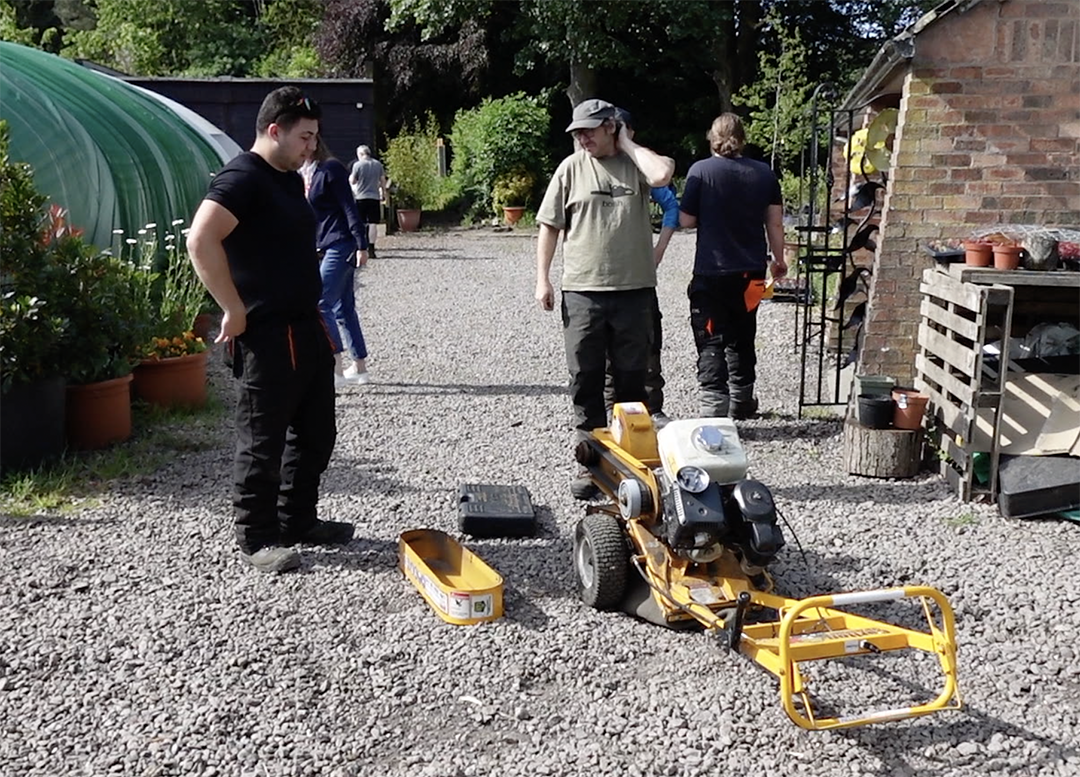
When considering horticulture as a career, digging below the surface reveals much more about this sector…


When considering horticulture as a career, some obvious job roles come to mind, such as gardener, farmer, landscape designer, or flower producer, among others.
However, digging below the surface reveals much more about this sector, often described as the place where art, science, and business meet. That could be the art and science of breeding beautiful plants, the science and business of running a farm or a blend of all three as a horticultural therapist. In fact, horticulture ranges from working in a lab or greenhouse to a sports stadium or farm!
Let’s take a look at five different careers you could grow into.
1. Landscape designer
Working as a landscape designer will appeal if you like the idea of planning and creating outdoor spaces for homes, parks or businesses. Working closely with clients, landscape designers blend plants, structures, and natural features into attractive and functional spaces. Day-to-day, their job involves surveying sites, using software to draw plans, getting mucky on-site, or overseeing projects. Responsibilities will vary depending on whether landscape designers are working for themselves, a small business, or a larger organisation such as a housing developer.
What qualities will help you excel? A creative mind, enjoying solving practical challenges and a keen aesthetic eye are all valuable. Patience and resilience to see the job through are essential. As well as being partially based indoors, you won’t be scared of pulling on your boots in all weathers.
2. Plant breeder
New and improved varieties of fruits, nuts, vegetables and ornamental plants aren’t necessarily down to nature alone. A plant breeder is a scientist using genetics to innovate. They aim to produce resilient crops that not only taste better but are also healthier. With the backdrop of a changing climate, greenhouses and labs across the world are working out ways to boost global food security. As a plant breeder, you could develop something that ends up in supermarkets across the country, or the world!
What qualities will help you excel? Are you motivated by improving what people eat, by making food more nutritious and available? If you enjoy research and have the temperament for long-term projects, this is the career to help you make a positive impact. Of course, it could also work for you if you enjoy the idea of cultivating beautiful plants.
3. Horticultural therapist
Horticultural therapists help people improve their mental, social and physical wellbeing. They apply the power of gardening in settings like hospitals, care homes and community gardens. This niche role taps into plant knowledge alongside an understanding of therapy and human connection. There is a diploma to train specifically for this career.
What qualities will help you excel? Compassion and the desire to support others in meaningful ways are essential qualities. Patience, empathy and a creative approach to adapting activities can bring your vocation to life. You will find this a rewarding role if you enjoy seeing people grow and heal through the power of plants and nature.
4. Grounds maintenance or gardener
Grounds maintenance workers and gardeners are the caretakers of public parks, schools, sports fields, private estates, and other outdoor spaces. Daily tasks can include mowing, pruning, planting, pest control, and maintaining equipment. Gardeners play a crucial role in making outdoor spaces safe, attractive, and welcoming. Career progression could lead you to managing a team. You may choose a specialism as an arborist specialising in the health, legalities and working practices around trees. Or step sideways into being a park or forest ranger.
What qualities will help you excel? The great outdoors is your natural environment. As you progress in your career, you’ll need to be organised to take control of annual schedules alongside ongoing maintenance of equipment. It can also be an excellent choice for anybody who cares about the environment and wants to champion biodiversity.
5. Working on a farm
Farms use horticulture skills and knowledge to cultivate crops, including vegetables, fruits and nuts. Working as a farmhand is a great way to gain some experience. You can do seasonal work or look for a more permanent role. There may be periods when farmhands are expected to work day and night to harvest crops, alongside everyday tasks such as irrigating fields, operating farm machinery, or sorting produce that has been grown. Most jobs will require you to work as part of a team. Experience in these roles can lead to becoming a team leader, or you could even move into a specialist field if you complete recognised horticulture training. Roles might include advising on pest control or viticulture (grape growing for wine), or setting up a small organic farm holding.
What qualities will help you excel? There’s no chance of you enjoying this job if you don’t enjoy being active, working hard or getting your hands dirty! You’ll love it if you crave being outdoors and have a lot of stamina. On a different level, if you aspire to connect with best practices on how food is grown, horticultural work on a farm could help you live by your values.
Starting a career in horticulture
There are many opportunities across the Liverpool City Region to enter horticulture.
GCSEs in subjects such as biology and chemistry provide a solid foundation for further study. To progress into hands-on experience and skills, City & Guilds and the RHS (Royal Horticultural Society) offer certification and diplomas at different levels in a range of subjects.
Local organisations like Myerscough College have specialised campuses for horticulture. At their Croxteth Park campus, the Liverpool City Region Combined Authority funds RHS training. Check your eligibility for the Practical Horticulture course under the Learning & Assessment tab on this page.
Some roles that require deeper scientific knowledge include plant breeding. A foundation course or degree in Horticulture, Plant Science (Edge Hill University) or a similar field will be valuable.
Apprenticeship opportunities are occasionally available too, so keep your eye open for them here on our apprenticeship listings page or set up an alert for when any gardening, grounds or horticulture opportunities go live. Alternatively, if you find a business involved in the horticulture sector, you could enquire if they would consider enrolling you on an apprenticeship. There are many benefits for the company!
Organisations such as The National Trust, housing associations, and sports clubs often advertise garden and grounds-related apprenticeship jobs. You can also keep an eye out for employment and volunteering opportunities with Mersey Forest.