WHAT’S ON THE MENU: WORKING IN FOOD PRODUCTION
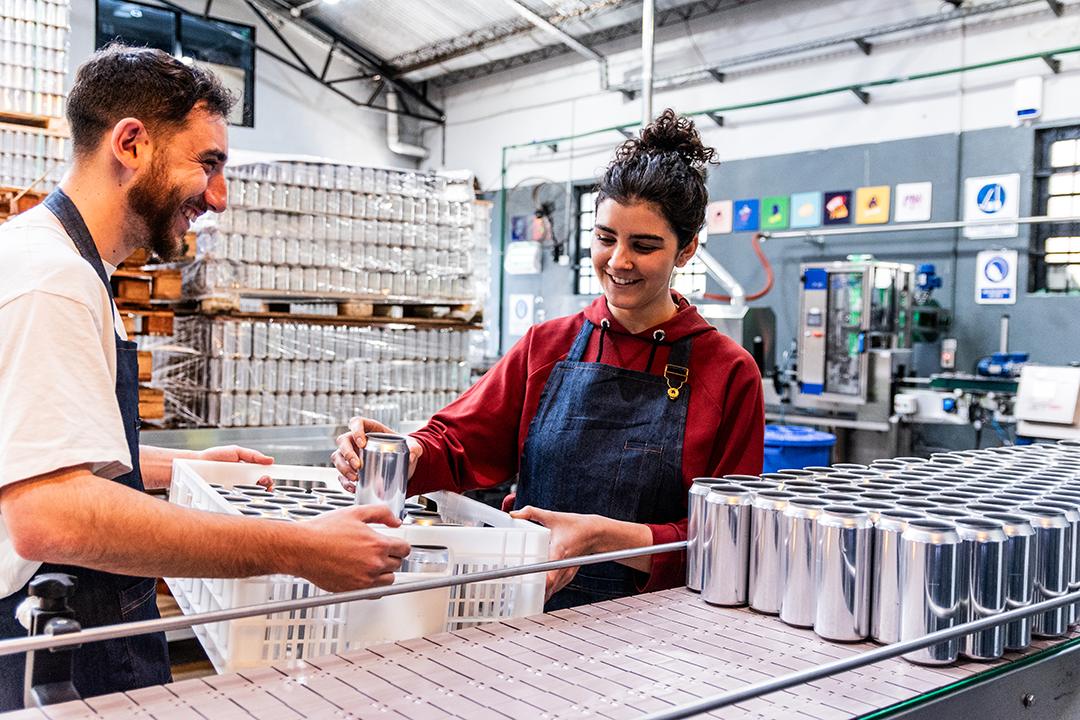
Food production and manufacture is often overlooked as a career sector, and yet it can offer exciting professional pathways…


Food production and manufacture is often overlooked as a career sector, and yet it can offer exciting professional pathways. In this industry, you could find yourself running a packing line, developing new recipes for mass production, or checking that food batches are safe to sell. There are jobs like these across the Liverpool City Region. This article looks at what the work involves and where to look for jobs and training.
If you’re looking for your first job or thinking about changing careers, some of the work may be more familiar than you’d expect. Handling stock in a shop, preparing food in a café or working to deadlines in a warehouse can all give you relevant experience to talk about when you apply.
What’s the work like?
In a production job, you might weigh ingredients, operate machinery or pack finished products in a factory. It’s practical work, and you’ll usually be part of a team. Factories often run shifts, so check the hours when you apply, especially if you’ll be relying on public transport for an early start or a late finish.
If you’d enjoy testing recipes, consider product development. A food scientist or product developer might spend time working out how to add more protein to a snack while keeping the taste and texture that customers like. Once the recipe goes into production, food safety and quality technicians check that each batch meets the right standards and help prevent problems such as allergens getting into the wrong product.
Then there’s the work that keeps the factory going. Manufacturing engineers get involved when a machine breaks down or when a company wants to automate part of the line. Supply chain and logistics teams make sure ingredients arrive in time for the next run and arrange for finished products to go out to customers. Some of the decisions about what gets made in the first place come from marketing and brand teams. They look at what shoppers are buying, brief product developers on ideas for new flavours and help decide what goes on the packaging.
Food manufacturing in the Liverpool City Region
In Speke, Protein Works makes protein shakes, snacks and meal replacements. Over in Haydock, Aimia Foods makes powdered drinks. Juvela specialises in gluten-free food, and Greencore makes convenience food at its Crosby site. In Knowsley, Clean Food Group is developing ways to make oils and fats with lower greenhouse gas emissions.
There are office-based roles in the sector too. Princes Foods has an office in the Royal Liver Building, where its Liverpool teams work on the operations and commercial side of the business. If you’re interested in working for a food brand, it’s worth looking at what each company does at its local site before you start searching for jobs.
How to get started
Some manufacturers recruit for entry-level jobs regularly, so it’s worth contacting a local recruitment agency and asking which factories it works with. If you have a particular company in mind and there’s nothing on its website, try its HR team. Ask if you can send in your CV or if there’s an agency they use for production jobs.
When you put your CV together, give examples of the work you’ve actually done. If you’ve taken deliveries, used machinery or helped a team get through a busy shift, say what you were responsible for. Reliability and timekeeping matter when another team is waiting to take over at the end of your shift.
Try ‘food’ and ‘manufacturing’ as search terms on the LCR Be More jobs board. If you’d like to see where a production job might lead, have a look through the guide to careers in advanced manufacturing.
Can you do an apprenticeship?
You can start as an apprentice or explore training options once you’re already working in the industry. As an apprentice, you’re paid to work and get time during your working hours to train and study. There are apprenticeships in food manufacturing and food technology, as well as options for specific jobs such as production chef or hygiene specialist. With experience, you could go on to train as a supervisor or manager.
Check the LCR Be More apprenticeships section for local opportunities. To see which food industry apprenticeships you can train for, browse the Skills England apprenticeships portal.
If you see a route you like and can’t find a vacancy, try speaking to a training provider like Remit, which delivers food production apprenticeships. Some employers ask providers to recruit apprentices for them. You can use Find apprenticeship training to look up providers near you and ask whether they’re recruiting for local companies.
Where to look for local jobs
- Protein Works lists openings at its Speke site on the Protein Works careers page.
- Greencore lists jobs in Crosby on its careers page. If there’s nothing that suits you, you can sign up for alerts on Greencore careers.
- Aimia Foods says it recruits for attitude and trains for skills. If you’re interested in machine operating or engineering, ask the team directly about opportunities in Haydock, as some jobs aren’t advertised. Contact Aimia Foods.
- Princes Foods lets you filter vacancies by ‘Liverpool’ on its careers portal. You can also register your interest in graduate roles there.
- Juvela advertises most of its vacancies on LinkedIn.
- Two more employers to watch on Indeed are Applied Nutrition and Trigon Snacks. It’s also worth checking the careers pages for Premier Foods, Saputo Dairy and Cargill.