A FLEXIBLE WAY OF EARNING EXTRA INCOME
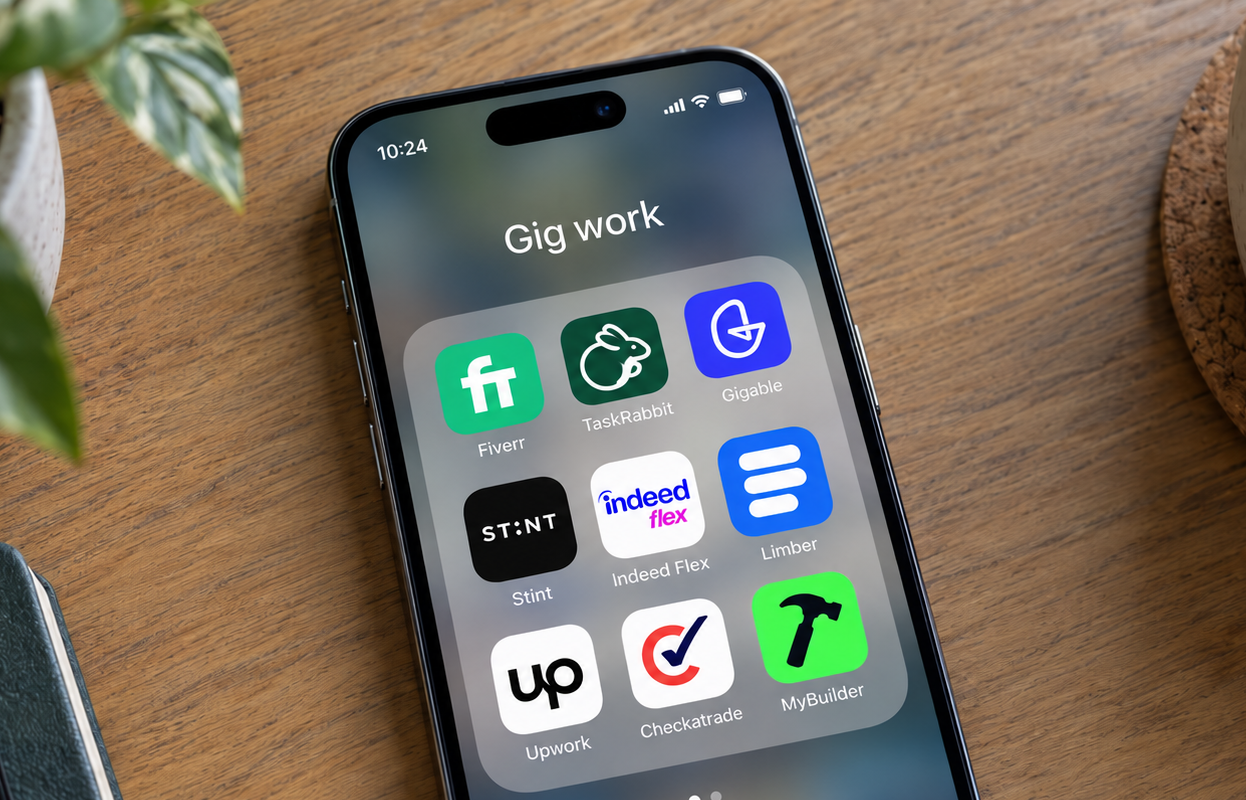
For some people, the flexibility to choose when, where, and how much they work can be exactly what they are looking for…


The gig economy is a broad term for earning money through individual projects or pieces of work (in other words, ‘gigs’) rather than relying on one permanent full-time job. Working in the gig economy could mean picking up occasional shifts through an app, taking on freelance projects, delivering a service directly to a customer, or running a small business alongside other work.
For some people, the flexibility to choose when, where, and how much they work can be exactly what they are looking for. For example, students might want to earn income in the gig economy to support themselves while on a course.
Ups and downs of gig work
Gig work can provide extra income, fit around other commitments, offer a way to test a new type of work, or add variety. It can be ideal for slotting into a portfolio career.
One thing to watch out for is picking up a task that pays a set fee, maybe through an online platform. If the task takes longer than expected, you can end up earning less than minimum wage. For this reason, some critics describe the gig economy as a ‘race to the bottom’. But most buyers pay decent rates, so the key is to be savvy, spot opportunities that are legal, honest, and worthwhile, and avoid those that aren’t.
Be responsible
One-off tasks and projects, short-term jobs, and freelance work feed the gig economy. You might work a hospitality shift at the weekend, steward at a football match during the week, or spend a day as a film extra.
You are responsible for ensuring you only take on work that is legal, honest and decent. Don’t undersell yourself or agree to do something you feel uncomfortable about. Think about your safety and protection too; employment rights often don’t apply in the gig economy.
Using apps for in-person gigs
Many apps exist which make finding in-person work without committing to a full-time job or regular hours a reality. Examples include Indeed Flex, Limber, Stint and Gigable.
These apps let you dip in and out of gigs, from delivery and security work to bar and hospitality shifts. Employers generally pay an hourly rate that meets the legal minimum wage for your age.
Apps such as TaskRabbit work differently because you set the price the buyer pays, who is typically a householder. Tasks range from rubbish removal to putting together flat-pack furniture. As a self-employed person, there is no legal protection or guidance around ‘your worth’.
Pitfalls to avoid: Beware – rubbish removal tasks can leave you out of pocket. If you operate as a business or trader, you must pay for the final disposal. If you don’t, you could violate fly-tipping laws and face a hefty fine.
Gigging remotely as a freelancer
If you work for yourself, platforms like Fiverr let clients browse your digital services and buy what you offer. Many people start a freelance career this way, then end up starting a proper business. These platforms are easy to use, and you set your own prices. Upwork and PeoplePerHour are two other freelance marketplaces.
Pitfalls to avoid: Don’t miss out on more lucrative opportunities obtained through your own marketing and networking; watch for exploitation or low pay.
Gigs through your own business
You can tap into the gig economy if you run your own business. For example: a tour guide who finds their own tour customers, a photographer who works a wedding for a set rate, or a freelance designer who produces a set amount of design work and is paid a pre-agreed amount.
Meanwhile, many tradespeople use matching services like My Builder and CheckaTrade. AddToEvent helps promote services ranging from mobile bars to marquees.
Pitfalls to avoid: Avoid ending up in hot water by considering public liability insurance and making sure that legal requirements, such as a personal alcohol licence for hospitality services, are in place.
What does a good gig look like?
If you ever feel suspicious, take time to check it out or trust your gut. Never part with any money in advance. A good gig should pass three tests:
Legal: Make sure all work and payment comply with relevant laws. If you are selling items online, make sure you find out if you need to declare your earnings to HMRC declare your earnings to HMRC.
Honest: Look for a clearly displayed or agreed rate of pay, a well-outlined job or gig, and advance notice of any deductions.
Decent: Make sure you can perform the duties safely and with dignity. You should be treated with respect and paid enough to cover more than just your costs.
Make it work for you
The gig economy helps thousands of people earn extra money and gain variety in their work. For many people, the flexibility makes up for the uncertainty of what’s coming next.
Keep in mind that flexibility shouldn’t come at the cost of abandoning basic standards. Set your own boundaries in advance.
To get the most out of it, stay alert and stay within the law.
Six things to be aware of
Finally, here are six things to keep in mind when dipping into the gig economy:
- Watch for scams, and don’t pay anything up front
- Make sure you know who exactly you are working for
- Don’t accept a gig if the buyer isn’t concerned with the legalities
- Ascertain if you are a worker, employee or self-employed
- Ask yourself if it feels like a fair exchange of work for money
- Check out the tax implications whenever you earn outside of PAYE employment