JOHN’S CAREER CHANGE: SAME SKILLS, DIFFERENT JOB
It’s now not unusual to expect to have two or three careers during a lifetime…


It’s now not unusual to expect to have two or three careers during a lifetime. This could include starting afresh in a completely new field and applying existing skills in a different setting.
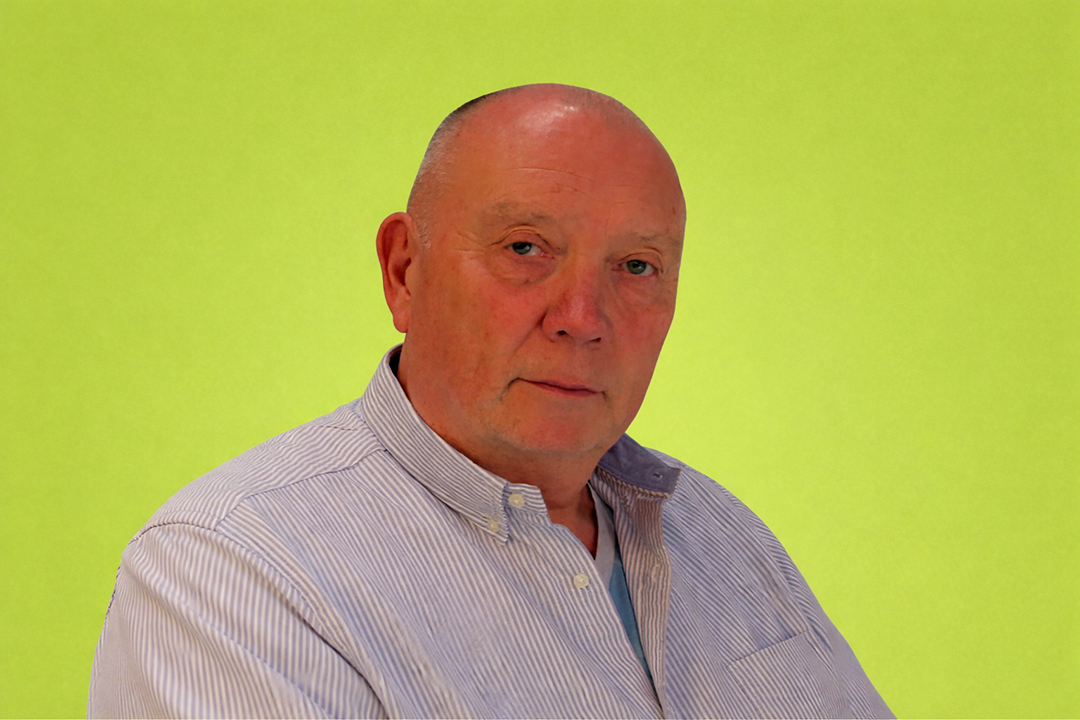
For John Clayton, who started his career as a journalist and went on to be a public relations professional, writing and communication have been a constant foundation of his working life. In recent years, he has found a new way to use these skills: 16 years ago, John trained as a celebrant.
“I knew I had the basic skill set: writing ability and empathy for fellow human beings – and I was coming from a non-religious standpoint.”
A celebrant leads non-religious funeral ceremonies. Humanists like John believe people can live ethical, meaningful lives without religion, focusing on values, reason and compassion. He trained with the British Humanist Association (now Humanist UK).
John’s career shows how many professional skills can be transferable. We asked him a few questions about his journey:
What did your early career look like?
“After studying English and Media at Birmingham Polytechnic, I worked as a journalist for West Midlands Press and Birmingham Post & Mail Newspapers until 1984.
“Journalism taught me to write clearly, ask questions and listen to people’s stories; these skills became my foundation.”
Tell us more about your move into public relations
“I shifted into public relations, becoming Head of PR at Merseytravel, and worked in the field until 2002.
“After redundancy, I founded John Clayton Public Relations, later becoming managing director of e2pr Ltd., serving mainly public-sector clients.
“PR sharpened my skills in understanding audiences, communication and relationship-building. Working for yourself can be unpredictable; some months you earn £500, others £5,000.’
What is the most important skill in your role as a celebrant?
‘My move into celebrancy work was prompted mainly by economic necessity. The 2008 financial crash led to government funding being withdrawn from many agencies serving the public sector, which became a catalyst for a change of direction.
“I knew I had the basic skill set: writing ability and empathy for fellow human beings – and I was coming from a non-religious standpoint.
“Writing is still my most important skill. Few celebrants come from a creative writing background, so many find scripting the biggest challenge.”
What does a typical day look like for you now?
“There are three parts to the job. First, I visit the family of the deceased. Empathy, patience and the ability to read a room quickly are essential; this job epitomises the need for soft skills.
“During visits, I ask about holidays, pets, and everyday memories. These often spark the best anecdotes. Every life story is unique. I capture this using the family’s words, humour and local expressions.
“Back at my desk, I shape the memories into a narrative that feels authentic. I can usually write three scripts a day, about 8,000 words. Once the family approves the draft, I present the ceremony.
“Any day can include all three aspects of the celebrant role.”
What is the biggest challenge of your role?
“The hardest part is balancing my emotional response to family grief with the need to guide the interview productively.
“Families are grieving and often have complicated relationships. Patience and diplomacy are essential to gather what’s needed for the ceremony.
“In fact, as a journalist, I had some experience dealing with grief. There is a code of practice that when the media needs a photo of a murdered or other deceased person, only one journalist would do the knock on the door to ask.”
What has been the biggest surprise of this career change?
“At first, I hadn’t realised the immense responsibility of the role.
“So much rests on the celebrant: timing, pacing, engaging with families, and delivering the ceremony as promised.
“From a personal perspective, the patience I manage to show with families who may be grieving, frustrated or even dysfunctional often astonishes me.”
Do you have any advice for people considering a career change?
“Don’t assume that changing careers means starting from scratch. Very often, the skills you have already developed, in my case, writing, listening, communication and empathy, can be used in completely different fields.
“Be open to new directions and recognise the value of your experience. Sometimes the next stage is just using your abilities in a new way.”
John Clayton has lived on Liverpool’s waterfront for three decades. He grew up in Chester.
Five other jobs that rely on people skills
- Mediation or dispute resolution: Your emotional intelligence will help opposing parties reach an agreement.
- Death doula: Deep empathy, attentive listening, and gentle communication are used to support individuals and families during the end-of-life journey.
- Event planning: Many events, and especially weddings, make dreams come true. Alongside organisation, you’ll need strong interpersonal skills.
- Human resources or recruitment: People assessment, interviewing and conflict management will all tap into your soft skills.
- Pastoral work: Opportunities exist in hospitals as patient advocates, in schools and colleges in student support roles. And if you’re not a humanist, even entering the clergy or another religious calling.