SHOW ME THE HONEY: BEEKEEPING HOBBY TO CAREER
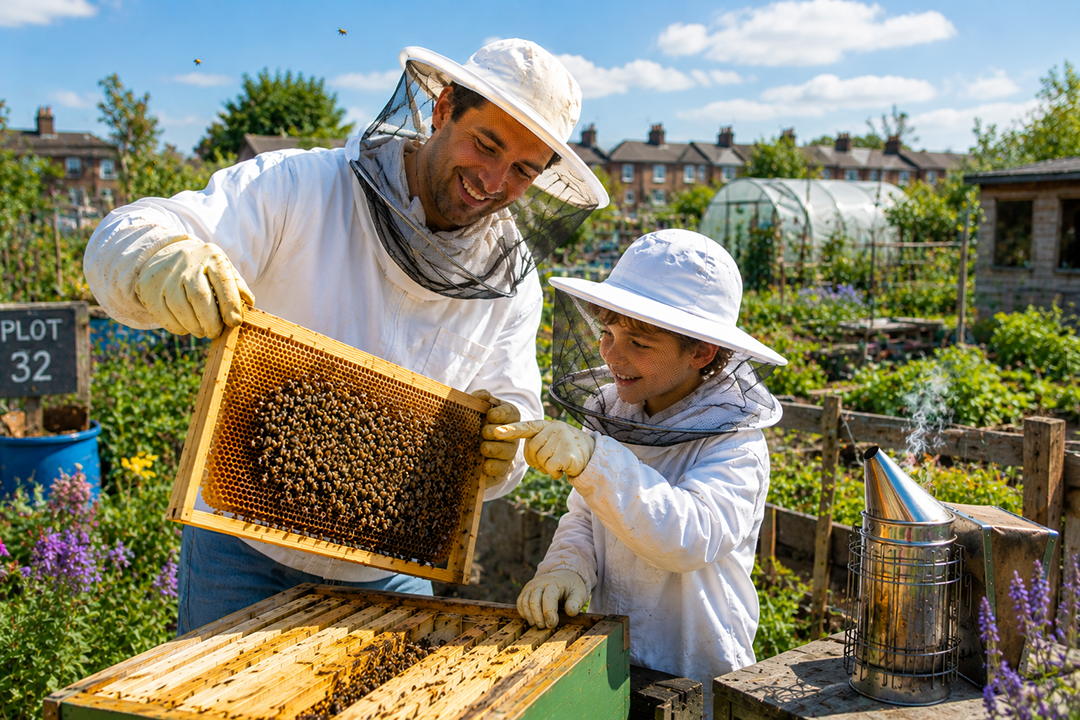
Everybody knows that bees play a vital role in supporting biodiversity. Beekeeping is a practical craft that can open doors to other opportunities.


Everybody knows that bees play a vital role in supporting biodiversity. Beekeeping is a practical craft that can open doors to other opportunities. It lays the foundation for community projects that bring people together and can lead to specialised niche careers in honey production and sales. In the Liverpool City Region, there is a growing number of micro-businesses that thrive by producing and selling honey and beeswax products.
Once trained, most independent beekeepers start with a single hive. Some go on to develop skills in food production, marketing, selling at farmers’ markets, and managing small or hyper-local businesses.
Community leaders in the Liverpool City Region have been championing rooftop apiaries and grassroots beekeeping for several years. A major ‘highway in the sky’ has transformed the region into a massive, interconnected pollinator corridor. Bees now play a significant role in the region’s urban infrastructure!
Six in-roads into beekeeping
There’s a lot going on in the beekeeping sector, whether you are exploring a cottage industry career or just developing a hobby. There are courses to take, projects to take part in, groups to join and plenty of hands-on fun to be had! Here are six ways you could dip in:
1. Ormskirk Beekeepers, St Helens
Over in Kings Moss, you’ll find Ormskirk Beekeepers. This friendly community hub welcomes anyone wanting to learn about hives and beekeeping. Their basic courses are a great place to start if you decide you want to develop beekeeping skills.
2. Grow Speke, Liverpool
Grow Speke has a secret garden that hosts a wide variety of activities, one of which involves helping to manage their beehives. They are always looking for local volunteers who would like to get to know their bees. As part of the community initiative, they also sell the honey produced.
3. BeeShack, Bootle
Based in Bootle, this buzzing beekeeping company has more than 100 hives across the city region, including cathedrals, Knowsley Safari Park, gardens, and allotments. Fancy some hyper-local honey? You can actually buy honey by postcode! Some say it’s a great remedy for hay fever. Whilst scientific evidence is lacking, it’s still a treat to eat honey made from the flowers in your locality.
4. Host a hive
Rooftop beekeeping is taking off in cities and suburbs across the region. Did you know St. Johns Shopping Centre has beehives on its rooftop? With more than 180,000 bees, they’re teaching local schools about sustainability and offering hands-on beekeeping sessions to help staff unwind and support their mental wellbeing.
BeesMAX is a UK-wide non-profit that can help you host a hive on your roof or an allotment, or share someone else’s.
5. B4Biodiversity
B4 Biodiversity is a Liverpool-based community interest company that uses beekeeping, biodiversity projects, art and education to help people connect with nature. The organisation manages urban beehives, produces local bee-related products and delivers creative environmental projects that support pollinators and greener communities across the Liverpool City Region. Through workshops, outreach and habitat enhancement initiatives, it promotes biodiversity awareness and sustainable environmental practices.
6. Create a bee pit-stop
Not everyone has the time, space, or funds for a full hive at home. But even with just a window box with herbs such as rosemary or English lavender, you can provide a pit stop for foraging bees. Find out more from the Bee Friendly Trust.
Bee professional
Taking up beekeeping as a hobby can develop useful observation, planning, responsibility, record-keeping and other transferable skills that employers look for when recruiting for different roles.
Getting involved in beekeeping in your local area could set you on a path toward working in horticulture, gardening, and conservation or biodiversity projects. If you undertake a professional beekeeping course, it will put you in a strong position to apply for the relatively few advertised beekeeping jobs when they arise. It tends to be commercial or community beekeeping businesses that run training programmes, so taking the courses will most likely mean you get to learn about professional opportunities when they are available. Many people who work in beekeeping end up being entrepreneurs, setting up small businesses to sell their honey and developing secondary products with honey or beeswax. Many sell via websites or at community markets, or directly to delicatessens and restaurants.
Beekeepers work in different environments, from private estates and shopping centres to private homes. An experienced beekeeper will have skills in swarm control, queen rearing and managing unhappy bees! The Bee Farmers Association facilitates an official 3-year commercial beekeeping apprenticeship scheme. If beekeeping is something you become really passionate about, you could even approach farmers or landowners to create a role for yourself.
The average age of a commercial beekeeper is over 60; this is one reason Rowse Honey champions the scheme to attract younger people into the industry.