TAKING SKILLS INTO RETIREMENT
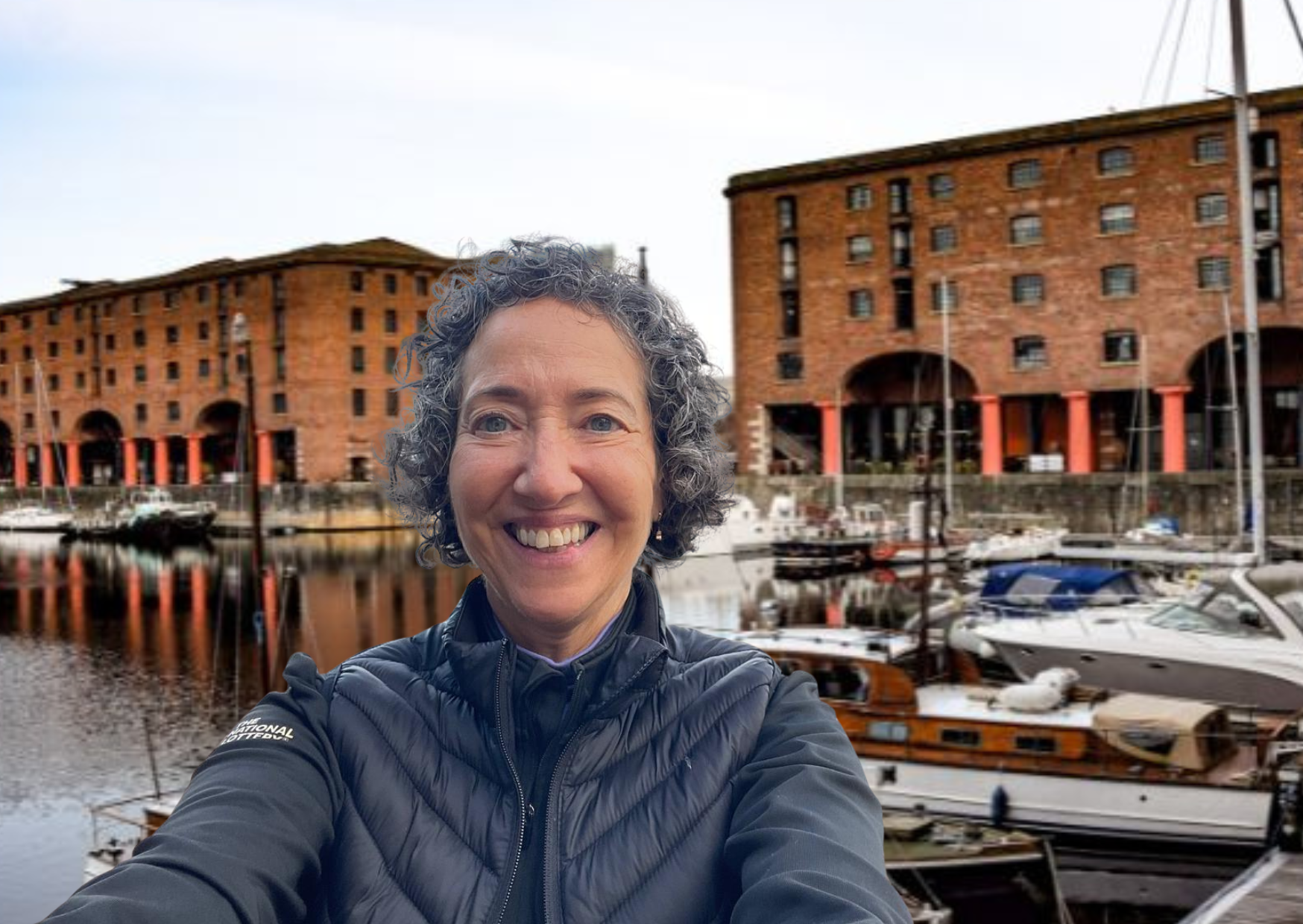
Retirement doesn’t have to mean stepping away from your skills or an active life…


Retirement doesn’t have to mean stepping away from your skills or an active life. Debra Morris, a resident of the Liverpool City Region, is a great example of this. After more than three decades in academia, including in senior leadership roles, she retired in 2023. Leaving work was the beginning of a new, more personal journey, one where her many skills are still invaluable.
Debra’s working life was intense, some would say hectic. As a law professor, she taught abroad and travelled as far as Australia for research. She rose through the ranks to head up the University of Liverpool’s School of Law and Social Justice, with responsibilities that included teaching, research, leadership, and constant external engagement. Her diary was always full of meetings, planning sessions, student support, recruitment, and collaboration projects. Surprisingly, not much changed after retirement.
“Retirement also gives me time to discover and fully appreciate the many free cultural opportunities in my local area.“
Volunteering credentials
Volunteering has become central to Debra’s retirement. Beyond giving back, she genuinely enjoys it. In just two years, she has built an impressive list of volunteer experiences. Here are just a few:
- Preparing and serving meals in a community kitchen for older people, typically in their 80s. As a great conversationalist, Debra says sitting down to eat and chat with the guests at the end is very fulfilling.
- Training as a RIBA walking tour guide, learning about the city’s architecture and built environment. She also did something similar with a local charity, Writing on the Wall, which focused on social justice issues, including slavery.
- Helping at the World Boxing Championships, she escorted teams into the ring and supported ringside operations: a role that tapped into her communication skills and ability to remain calm.
- As an arts and culture volunteer at Liverpool’s Anglican Cathedral, she supports exhibitions and installations, assists visitors, and participates in training sessions.
She says: “Through volunteering, I’ve met so many different groups of people from so many different walks of life. Social connection is such an essential requirement for wellbeing.”
“On top of that, as an ex-academic, I believe in lifelong learning. I’ve always had a thirst for knowledge, so training for different volunteering roles has created an outlet for that.“
Debra’s diary!
Living on the edge of the city centre, Debra set out to fill her retirement with purpose. As well as volunteering, she channelled her professional organisational skills into securing a busy social diary. She explains:
“There is so much to get involved with on the doorstep that costs little or nothing. I carefully plan my week, which includes regular dance classes, choir rehearsals, and cultural events, alongside my volunteer shifts. When I retired, I also joined a gym for the first time in more than a decade!”
She has shifted from managing a team to sometimes managing her friends, who call her the “social secretary”. She adds:
“At the end of every week, I look to the next one. If there are gaps, I try to slot in whatever I’d like to do, which includes seeing friends much more often since retirement. Retirement also gives me time to discover and fully appreciate the many free cultural opportunities in my local area. And I’ve now got my free bus pass to get to anything that I can’t walk to!”
Knowing when to lead and when to follow
Debra explained that after the pressure of her work life, she is happy to step back and let others lead:
“I recognise I’m not in charge, but can often see the bigger picture. Occasionally, I step forward to help structure a task, but most of the time I step back and follow someone else’s lead. As a law professor, you’d probably not be surprised how often I’m asked about liability issues!”
Debra’s ‘employability skills’ of diplomacy, negotiation, and decision-making support her volunteering. Her experience in team management helps her navigate group dynamics, and she ensures she is obliging to colleagues, tourists, and community members. These softer skills continue to be of value in retirement.
Trying new things at any age
Debra has done many new things since retiring, alongside spending more time doing things she has always loved. All these experiences keep her busy, filling her days and weeks.
Staying active in later life offers many benefits. Engaging in new activities sharpens the mind and boosts memory. Physical activity improves mental health and is linked to a reduced risk of dementia.
Hobbies often offer a sense of fulfilment that might otherwise be lost after retirement. Retiring or working part-time gives an opportunity to discover new things and might uncover a hidden talent.
“Try something you’ve never done before,” Debra says. ‘Keep an open mind and don’t reject new experiences right away. If something isn’t for you, you don’t have to go back. I’ve discovered I enjoy activities that I initially tried just out of curiosity, and more than a year later, I’m still doing them.”