THE STRENGTHS OF A NEURODIVERSE WORKFORCE
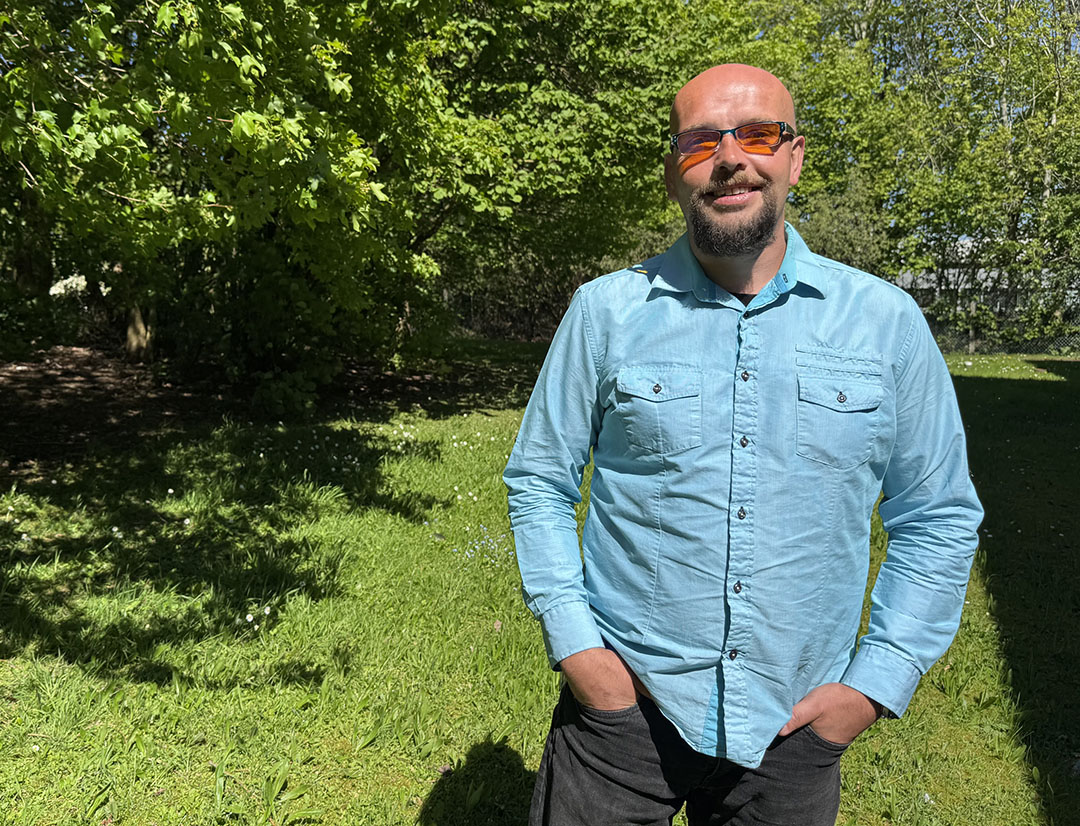
We speak to Jack, the pastoral lead at TRS, who supports apprentices and learners…


For many years, the conversation around neurodiversity in the workplace has centred on adjustments, support needs, and inclusion policies. Whilst these are essential, they only tell part of the story.
Rather than seeing neurodivergent employees purely through the lens of support, many forward-thinking organisations already recognise they are a largely untapped pool of talent with highly specific strengths, ranging from exceptional attention to detail and pattern recognition to creativity and problem-solving.
Being open and respectful matters far more than getting everything perfect straight away.
Last month was Autism Acceptance Month, and in this LCR Be More interview, we speak to Jack, the pastoral lead at TRS, who supports apprentices and learners and brings both professional expertise and lived experience as someone with autism and ADHD. He shares his journey, challenges common misconceptions, and explains how businesses can better understand, support, and leverage neurodiverse talent.
Can you tell us a bit about your background and what led you into this area of work?
The first time I supported anyone in education was actually during my undergraduate degree at Edge Hill University in 2014. My fellow students and I were approached by the Knowsley Family Learning Service to support high school students who were struggling to engage. It was challenging but rewarding, and I continued providing this support throughout my degree.
Although I trained as a history teacher, I quickly realised I was more passionate about supporting learners’ welfare and development, helping them overcome challenges and bridge learning gaps. I spent five years at the City of Liverpool College as a learning support specialist before moving to TRS, where I continue to support learners in achieving their full potential.
As someone who is both autistic and has ADHD, how does that help you understand and support apprentices and learners?
Lived experience is invaluable for understanding how people think, interpret things, and how their experiences shape them. I didn’t fit in at school, and that led to challenges with both staff and students. Over time, I learned to interpret what teachers expected from me. Combined with my teaching training and experience across different classrooms, this gives me a clearer understanding of how to support learners.
I’ve been where many of the apprentices and learners I support find themselves. I understand their difficulties, and we share similar experiences of challenges. We speak the same language, which makes support smoother and more effective.
Much of the conversation around neurodiversity focuses on additional support needs. Do you think that focus is limiting?
A lot of the conversation focuses on additional support needs, but I think that language is limiting.
I am autistic and ADHD first. Those are part of my identity. Any needs I have aren’t “additional”, they’re simply needs, just like someone with a broken leg needs a wheelchair. These needs may change over time depending on the situation. With the right adjustments in place, those needs reduce. The right support removes obstacles and gives people the tools and opportunities to be their best, independent selves.
Some of the world’s leading companies are already recognising this and employing neurodivergent individuals not just for inclusion, but because they bring real value to how those businesses operate. Businesses like Microsoft, Dell, Ernst & Young and Google
What strengths do neurodivergent employees bring to the workplace?
Every business relies on efficient processes and quality output, and inefficiencies cost billions each year. Neurodivergent people have spent a long time overcoming challenges and developing solutions, workarounds, and different ways of thinking. This can lead to very creative approaches to problem-solving that others may not see.
Autistic individuals, in particular, often thrive on routine, which means they are usually very reliable employees. They naturally work following patterns and processes, which can translate into wonderful attention to detail, the ability to spot patterns and catch small imperfections, and a high level of consistency in their work.
There’s sometimes confusion around terminology: terms like ‘autistic’, ‘neurodivergent’, and ‘neurotypical’. What should employers know, and how can they communicate in a way that’s respectful without feeling like they might get it wrong or come across as patronising
If you’re unsure how to refer to someone’s neurodiversity, just ask them! The thing to remember is that everyone makes mistakes, and that’s okay. What matters is acknowledging it and improving. It’s no different to learning someone’s preferred name: you might get it wrong at first, but you correct it and move forward.
If you do make a mistake, address it simply and honestly: “I’m sorry, that wasn’t intentional. I’m working on it.”
Being open and respectful matters far more than getting everything perfect straight away.
What practical steps can businesses and HR teams take to better support neurodivergent employees?
A good place to start is the application process. Around half of neurodivergent individuals don’t disclose at this stage, which suggests barriers exist early on.
Simplify complex application forms and make the process and any timescales clear. Let candidates know what to expect and touch base with them to ask if they need any adjustments.
Be inclusive from the first step. Neurodivergent employees are experts in their own needs and experiences. Involve them, as they can guide you in what works best for them.
Create anonymous feedback routes so employees can share where they struggled and suggest improvements. If engagement from this group is slow, try to understand why. Unlocking those insights can bring new perspectives your business hasn’t yet considered, and that could be a real game-changer.