WORLD TOURISM DAY
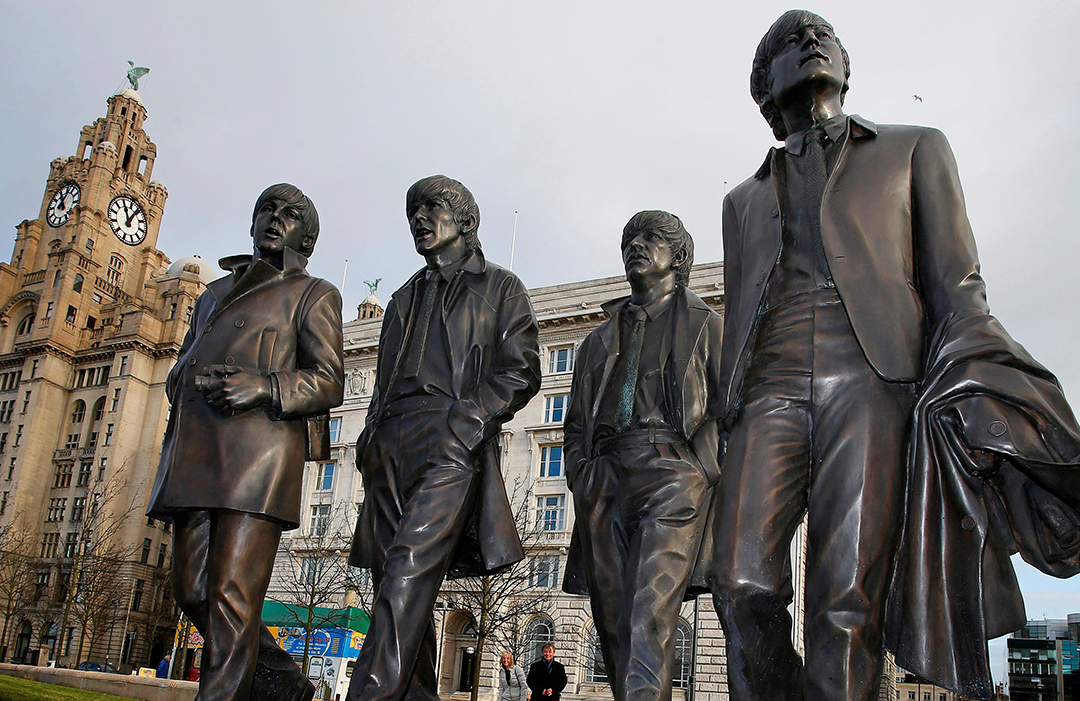
World Tourism Day is a good opportunity to take a closer look at what makes up our visitor economy, and the career opportunities it creates…


Every year on 27 September, World Tourism Day celebrates the importance of tourism and the role it plays in communities and economies worldwide.
Here in the Liverpool City Region, tourism, also known as the visitor economy, is a major success story. It’s worth £6.8 billion annually, attracts millions of people each year, and supports thousands of jobs in hospitality, attractions, events, culture, leisure, and many other areas.
World Tourism Day is a good opportunity to take a closer look at what makes up our visitor economy, and the career opportunities it creates. You’ll be amazed at the huge variety of roles available, with opportunities for different skills, ages, interests and levels of experience.
The big picture
The first thing to say is that the tourism industry brings together different subsectors, knitting them together to create the ideal visitor experience. These subsectors include hospitality, events, attractions, culture, and transport.
Some major forthcoming highlights in the tourism calendar for the Liverpool City Region include the Tour de France in 2027, the Cunard Three Queens event in 2028, and the River of Light, which runs every October. Planning for these events will also include accommodating more than one cruise ship per day on the River Mersey to meet demand from tourists wanting to visit.
Not to overlook football, officials have named Liverpool an elite host city for the European Football Championships in 2028. All these events, along with many others, are creating new jobs and opportunities for anyone who wants to work in this exciting industry.
A job for everyone
The visitor economy covers many different job roles and specialisms. You could choose to work or build a career in hotels, restaurants, attractions, football stadiums, transport, music venues, events, or festivals. Marketing and logistics are other important aspects of tourism that provide career opportunities. Let’s look at some key tourism employment areas:
Hospitality: Start your career at reception, in guest services, or housekeeping. In a large hotel, you could quickly move into a supervisory role in a department, which will be a step closer to management. Other routes include finance, revenue management, and marketing. Learn more about the jobs that keep a hotel running.
Events: Our region offers a year-round calendar of opportunities in event production, security, and more. Roles are available at every level and often offer clear progression routes. For example, an entry-level security role could lead to site management. An assistant sound technician, an essential role at music events and festivals, could advance into event direction. Security and sound are just two aspects of live events. There is a whole team of professionals behind any large-scale public event like Chinese New Year.
Attractions and culture: Running a venue or attraction involves more than you think, and jobs in this area are varied and diverse. For example, did you know The World of Glass in St Helens has a community engagement officer? And that Tranmere Rovers hires casual cooks? These aren’t the first jobs that necessarily spring to mind! One thing is for sure: if you have people skills, then you will shine in visitor services. And if you happen to have a specialist interest, you could be a great hire for a specific art exhibition or museum.
Travel and transport: Trains from London, planes from Europe, and cruise liners from across the Atlantic! Our region is a tourism hub, which means there are many transport-related job opportunities linked to supporting visitors. For example, Liverpool John Lennon Airport regularly advertises jobs for airline cleaners, lounge hosts, security, and baggage handlers. If irregular hours suit you, you could quickly gain more responsibility as a shift leader or duty manager.
Desk-based roles: Marketing and social media offer entry-level jobs in the visitor economy. Employers seek digital skills for website management, technology, and data to help attract more visitors to events and attractions. Creative thinkers use these skills in campaign management, content creation, and PR. The growing digital nature of travel firms also provides plenty of opportunities for the tech-savvy.
Why humans still matter
AI is already changing how tourism works, with customers now discovering recommendations and booking activities in new automated ways. However, as repetitive administrative tasks become more automated, the input of a real person is evolving to add value to the visitor experience.
Tourism will always keep people at its core. Visitors value quality human interaction and personal attention. AI can’t yet match the empathy, judgement, and problem-solving of a tour guide.
Getting started
The City of Liverpool College offers Travel and Tourism training up to Level 3 for 16 to 18-year-olds, as well as cabin crew and aviation operations for adults. Previous candidates have become customer service managers and airline pilots. Hugh Baird College also runs cabin crew training, whilst Wirral Met College offers hospitality and culinary arts training.
If you are keen to do an apprenticeship so you can develop professional skills whilst earning a salary, explore relevant options such as travel agent, hospitality supervisor, and marketing.
If you really want to carve a career in tourism, why not volunteer in areas you already enjoy, like music, history, or sport? Venues like Speke Hall and events like the Tour de France rely on volunteers at peak times. Many people also hold part-time or weekend jobs alongside their main career. It’s also a way to support a career change.